The Complete Handmade Business Guide 2026: Every Niche, Product & Platform

Mira

The Complete Handmade Business Guide 2026: Every Niche, Product & Platform
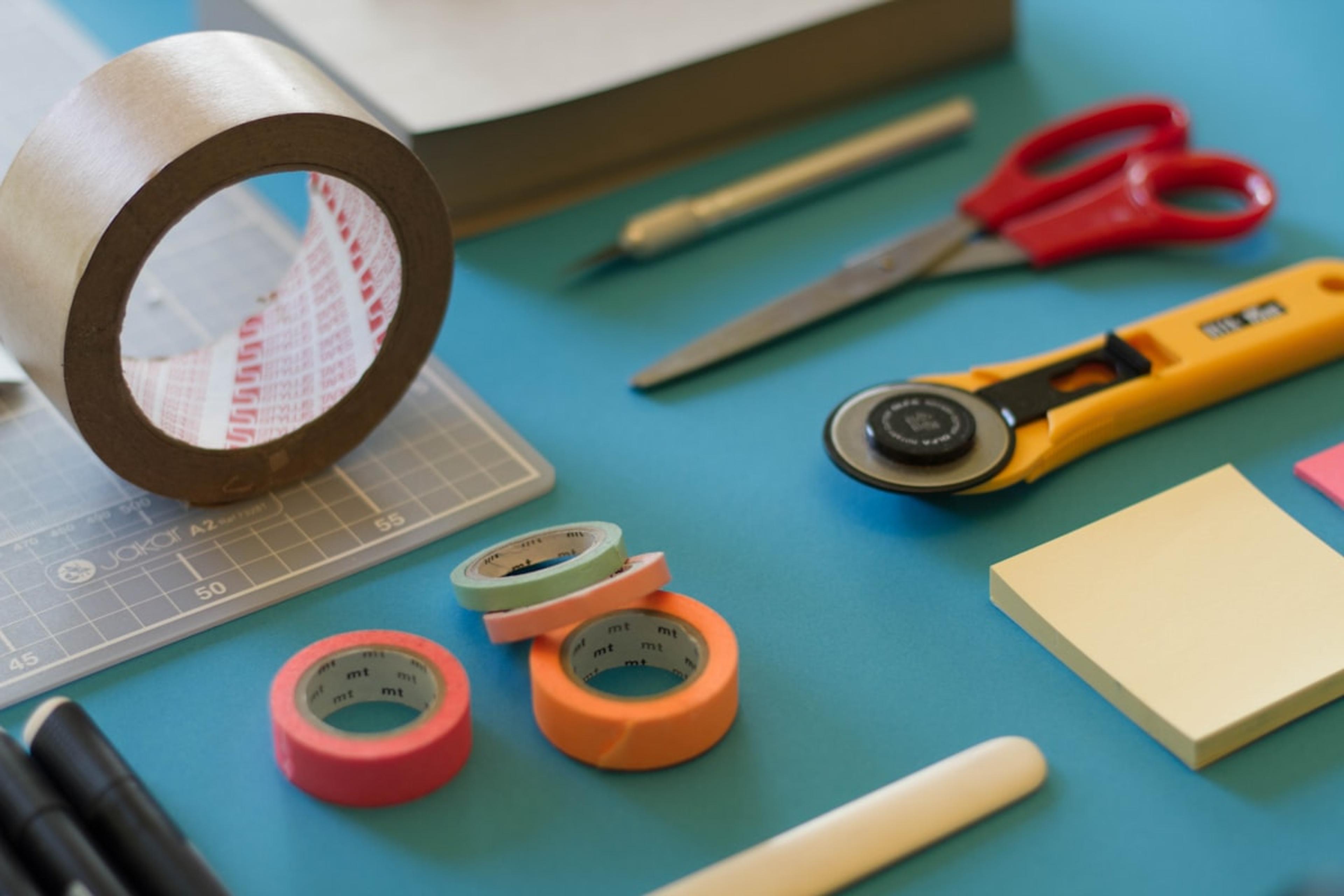
There's something undeniably powerful about something made by hand. In a world drowning in mass-produced, algorithm-recommended, AI-generated everything — handmade goods carry a weight that no factory can replicate. They tell a story. They connect maker to buyer in a way that feels genuinely human.
And the market knows it.
The global handmade and handicraft industry is projected to reach $1.34 trillion in 2026 and accelerate toward $2.9 trillion by 2034. In the United States alone, the handmade market sits at over $319 billion, growing at 8% annually. 73% of US adults participated in a crafting project in the past year. Etsy, the world's largest handmade marketplace, now hosts over 90 million active buyers who spend an average of $180 per order.
The handmade economy is not a hobby trend. It is a multi-trillion-dollar industry — and there has never been a better time to build your place in it.
This guide covers everything: every major handmade niche from broad to micro, the best platforms to sell, how to price for real profit, and what's actually selling right now in 2026.
Table of Contents
- What Is the Handmade Industry?
- How a Handmade Business Works
- Every Handmade Niche — Complete Breakdown
- Jewelry & Accessories
- Candles & Home Fragrance
- Soap, Bath & Body
- Resin Art
- Macramé & Fiber Arts
- Crochet & Knitting
- Ceramics & Pottery
- Woodworking & Wood Crafts
- Paper Crafts & Bookbinding
- Embroidery & Needlecraft
- Leather Goods
- Handmade Clothing & Textiles
- Food, Baking & Confectionery
- Art, Illustration & Painting
- Digital Crafts & Printables
- Eco & Upcycled Crafts
- Seasonal & Holiday Crafts
- Best Platforms to Sell Handmade Products
- Pricing Your Handmade Work
- Marketing a Handmade Business
- Common Mistakes & How to Avoid Them
- FAQ
1. What Is the Handmade Industry? {#what-is-handmade}
The handmade industry encompasses any product that is created, assembled, or significantly crafted by a human being — as opposed to machine-manufactured or mass-produced goods. It spans everything from a hand-thrown ceramic mug and a poured soy candle to a hand-coded knitted sweater, a resin-cast earring, and a watercolor portrait commission.
What unites these wildly different products is a common value proposition: authenticity, uniqueness, and human connection. Buyers in the handmade market aren't just buying a product — they're buying the story behind it, the skill it took to make it, and the person who made it.
This shift in consumer values — accelerated by the pandemic, the sustainability movement, and a growing fatigue with algorithmic sameness — has turned handmade from a niche cottage industry into a mainstream economic force.
Key Stats for 2026:
- Global handicraft market: $1.34 trillion (growing at 9% CAGR)
- US arts & crafts market: $50.7 billion
- Etsy active buyers: 90 million+
- 73% of US adults craft regularly
- Candle making market alone: $5.5 billion
- Custom jewelry market CAGR: 16.08%
2. How a Handmade Business Works {#how-it-works}
Unlike print on demand or dropshipping, a handmade business requires you to physically create what you sell. This means the business model is fundamentally different — and so are the economics, the scaling challenges, and the rewards.
The typical handmade business workflow:
Create → You make the product by hand using raw materials (wax, wire, yarn, clay, wood, etc.)
Photograph → Professional product photography is the single biggest conversion factor in handmade e-commerce. Your photos are your storefront.
List → You publish your product on a marketplace (Etsy, Amazon Handmade) or your own store (Shopify, website) with SEO-optimized title, description, and tags.
Sell → A buyer purchases. You receive payment minus platform fees.
Fulfill → You package and ship the physical product. Handmade businesses handle their own fulfillment (unlike POD), which means shipping, packaging, and customer service are all on you.
The unique advantage of handmade: Premium pricing is justified and expected. A handmade ceramic mug retails for $40–$65. The equivalent mass-produced mug sells for $8 on Amazon. Buyers choose the handmade version — and they pay for it willingly.
The unique challenge of handmade: Time is finite. Every unit requires your labor. Scaling a handmade business means either raising prices, hiring help, or creating systems that let you produce more efficiently without sacrificing quality.
3. Every Handmade Niche — Complete Breakdown {#all-niches}
💍 Jewelry & Accessories — The #1 Handmade Category
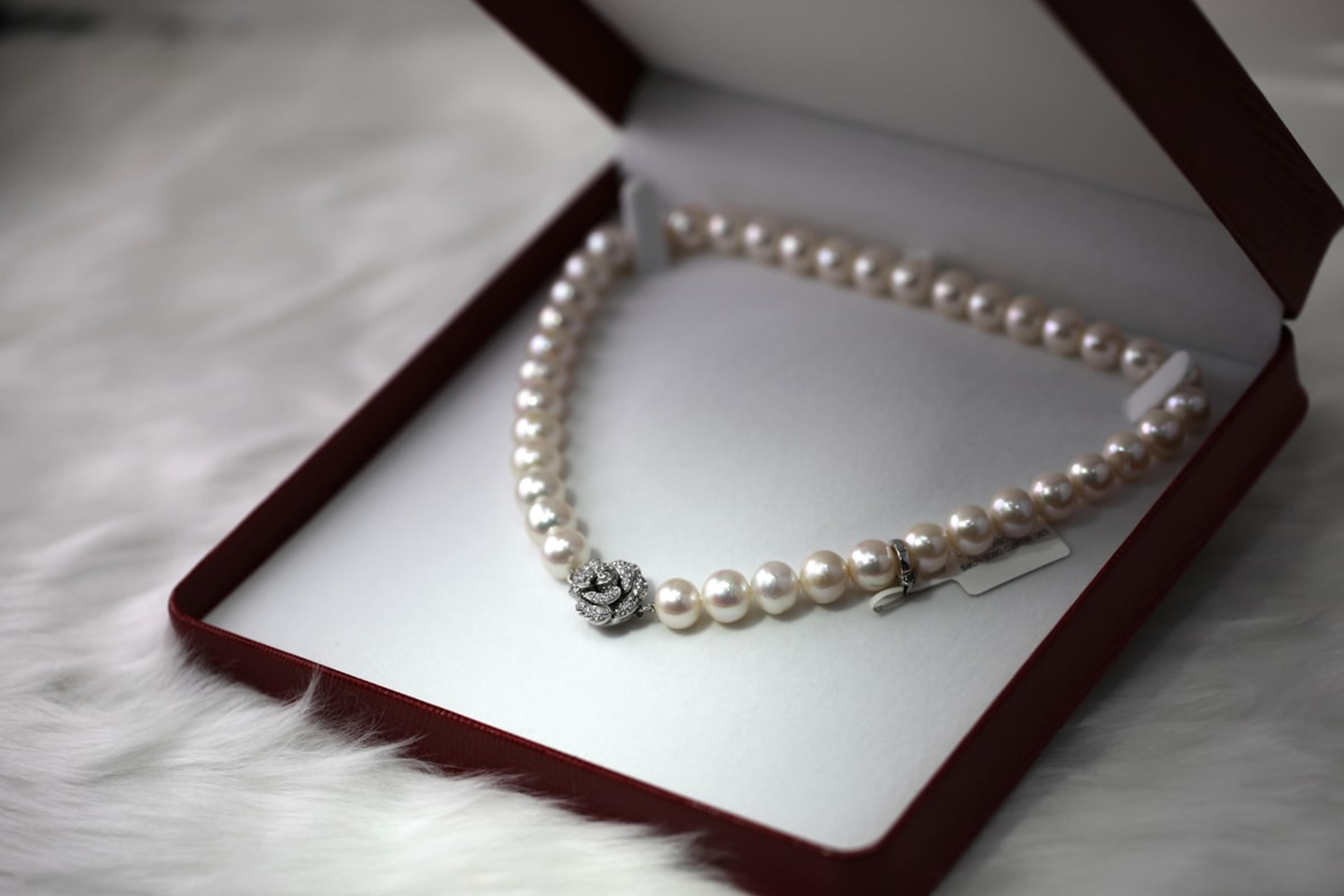
Jewelry is consistently the best-selling handmade category on Etsy, accounting for a significant share of total platform revenue. The custom jewelry market alone is projected to reach $104.89 billion by 2032, growing at 16.08% annually.
Sub-niches and product types:
- Beaded Jewelry — seed bead bracelets, stacked bangles, beaded anklets. The Y2K resurgence has sent beaded jewelry searches up dramatically in 2025–2026.
- Wire-Wrapped Jewelry — crystal and stone pendants, intricate wire-work rings and earrings. Very popular in the spiritual and boho niches.
- Resin Jewelry — preserved flower rings and earrings, resin pendants with glitter or botanical inclusions. One of the fastest-growing handmade jewelry niches.
- Metal Clay & PMC — handcrafted silver or gold clay pieces fired in a kiln. Premium price point with strong collector appeal.
- Polymer Clay — lightweight, colorful earrings and pendants. Massive on Instagram and TikTok. Low material cost, high margin, strong trend.
- Leather & Cord Jewelry — friendship bracelets, adjustable cord necklaces. Simple to make, widely giftable.
- Personalized & Engraved — name necklaces, initial bracelets, birth month flowers. Personalization is the #1 demand driver in 2026 jewelry.
- Memorial Jewelry — ashes-infused resin, fingerprint jewelry, birthstone sets. Extremely high emotional value and premium price points.
- Crystal & Gemstone — raw crystal pendants, wire-wrapped stone rings. The spiritual wellness niche drives consistent demand.
- Hair Accessories — handmade scrunchies, beaded hair clips, flower crowns. Low-cost materials, high volume gifting product.
Profit profile: Jewelry offers some of the best margins in handmade — material costs are often $1–$10 for items retailing at $25–$85+. Personalized and memorial pieces command $60–$200+.
🕯️ Candles & Home Fragrance — Evergreen, Gift-Driven, Scalable
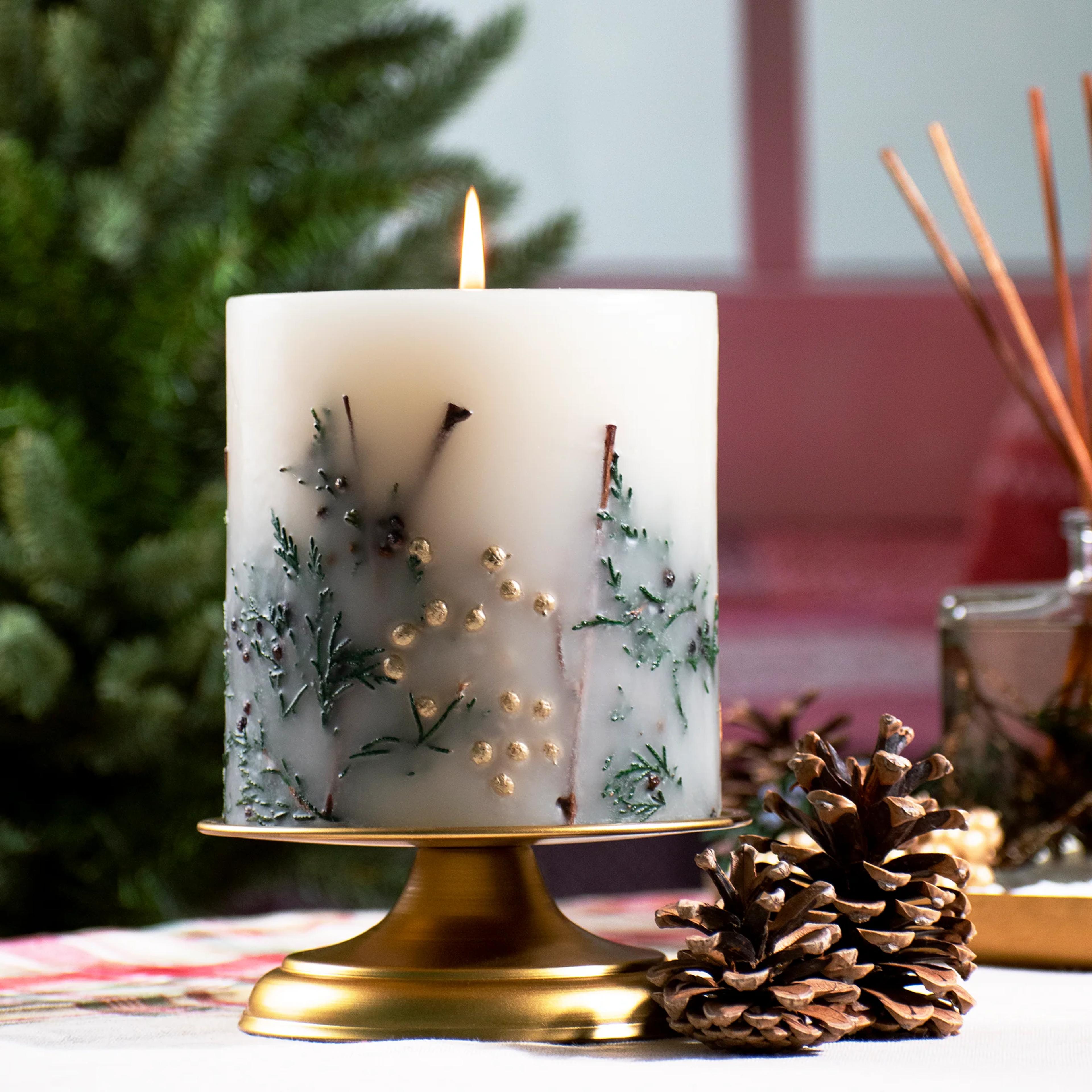
The candle market is one of the most approachable handmade niches for beginners — startup costs are low, the learning curve is manageable, and the gifting demand is enormous year-round. The global candle market is projected to reach $20.1 billion by 2030 at a 6.4% CAGR.
Sub-niches and product types:
- Soy Wax Candles — the dominant market segment. Clean-burning, natural, and eco-friendly positioning resonates strongly with today's buyers. Available in jars, tins, and poured vessels.
- Beeswax Candles — premium natural option. Dripless pillars and tapers attract buyers seeking traditional, sustainable home goods.
- Coconut Wax Candles — the newest premium base. Creamy texture, excellent scent throw. Commands higher retail pricing.
- Botanical Candles — embedded with dried flowers, herbs, and botanicals. Highly Instagrammable, premium aesthetic, strong gifting appeal.
- Funny / Sarcastic Candles — scents with humorous names ("Sunday Morning Procrastination", "My Therapist's Waiting Room"). One of the highest-converting candle sub-niches for online selling.
- Astrology & Manifestation Candles — zodiac-themed, intention candles, moon ritual candles. The spiritual wellness niche drives massive repeat buying.
- Luxury Jar Candles — concrete vessels, ceramic containers, apothecary-style glass. Premium packaging elevates perceived value significantly.
- Wax Melts & Tarts — lower price point, high reorder rate. Great for building a subscription-style customer base.
- Reed Diffusers & Room Sprays — complementary home fragrance products that extend your scent brand without wick or flame.
- Car Fresheners — handmade wood slice or felt diffusers. Low-cost, high-margin, giftable.
Profit profile: A soy candle costing $4–$6 to produce retails for $16–$28. Luxury candles in premium vessels retail at $35–$65. Gifting season (October–December) typically represents 50–60% of annual candle sales.
🛁 Soap, Bath & Body — The Self-Care Economy
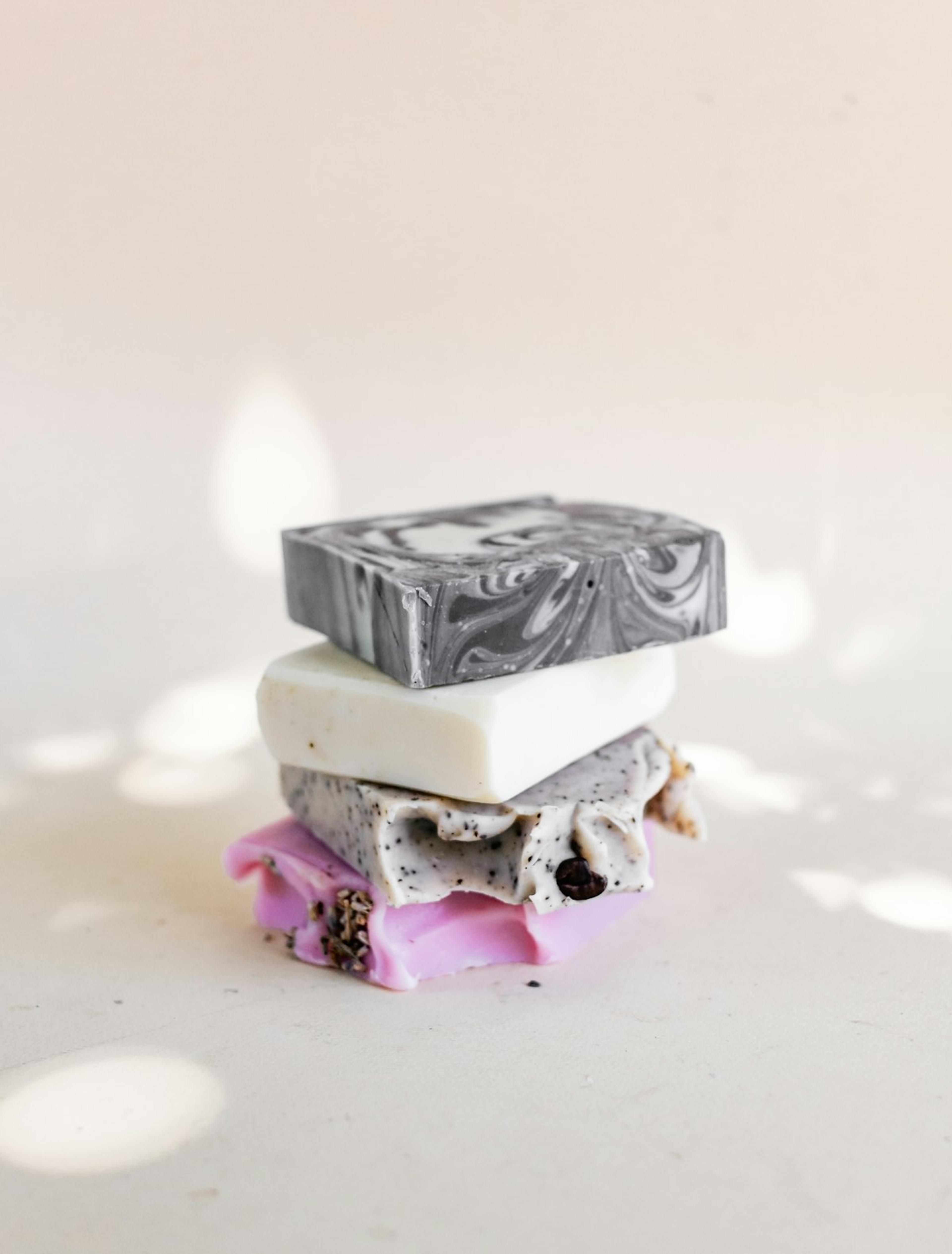
The global natural and organic personal care market surpassed $15 billion in 2025 and continues to grow as consumers shift away from synthetic, chemical-laden mass-market products. Handmade soap, bath bombs, and body care occupy a sweet spot: they're affordable to make, premium to buy, and deeply giftable.
Sub-niches and product types:
- Cold Process Soap — the artisan standard. Takes 4–6 weeks to cure but produces a rich, long-lasting bar with complete creative control over ingredients and design. Swirl patterns, layered designs, and embedded botanicals make each bar visually distinctive.
- Hot Process Soap — faster curing (ready in days), rustic "rustic log" aesthetic that appeals to natural and farmhouse buyers.
- Melt & Pour Soap — beginner-friendly base that accepts colors, botanicals, and scents. Lower startup investment.
- Shampoo & Conditioner Bars — the zero-waste personal care movement has made solid hair care bars a rapidly growing niche. Eliminates plastic packaging entirely.
- Bath Bombs — classic bath & body staple. Customizable in shape, scent, and color. Strong gifting product, especially for kids.
- Bath Salts & Soaks — simple to make, high margin. Essential oil blends, muscle recovery formulas, and relaxation blends target wellness buyers.
- Sugar & Salt Scrubs — body scrubs with botanical and essential oil blends. Popular in self-care, bridal, and spa-at-home niches.
- Lotion Bars & Body Butters — anhydrous (water-free) formulas that don't require preservatives. Whipped body butters are particularly popular aesthetically.
- Lip Balms & Salves — low material cost, high margin, impulse-buy pricing. Bundle well with other bath products.
- Facial Skincare — cleansers, toners, serums, and moisturizers. Higher regulatory complexity (especially in the US with FDA cosmetics rules), but significantly higher price points.
- Baby & Sensitive Skin Products — fragrance-free, gentle formulations targeting parents of newborns. High trust niche with premium willingness to pay.
Profit profile: A cold process soap bar costing $1.50–$2.50 to produce retails for $8–$14. Gift sets of 3–5 bars retail for $28–$45. Bath bomb sets retail $15–$30.
🎨 Resin Art — The Modern Maker's Medium
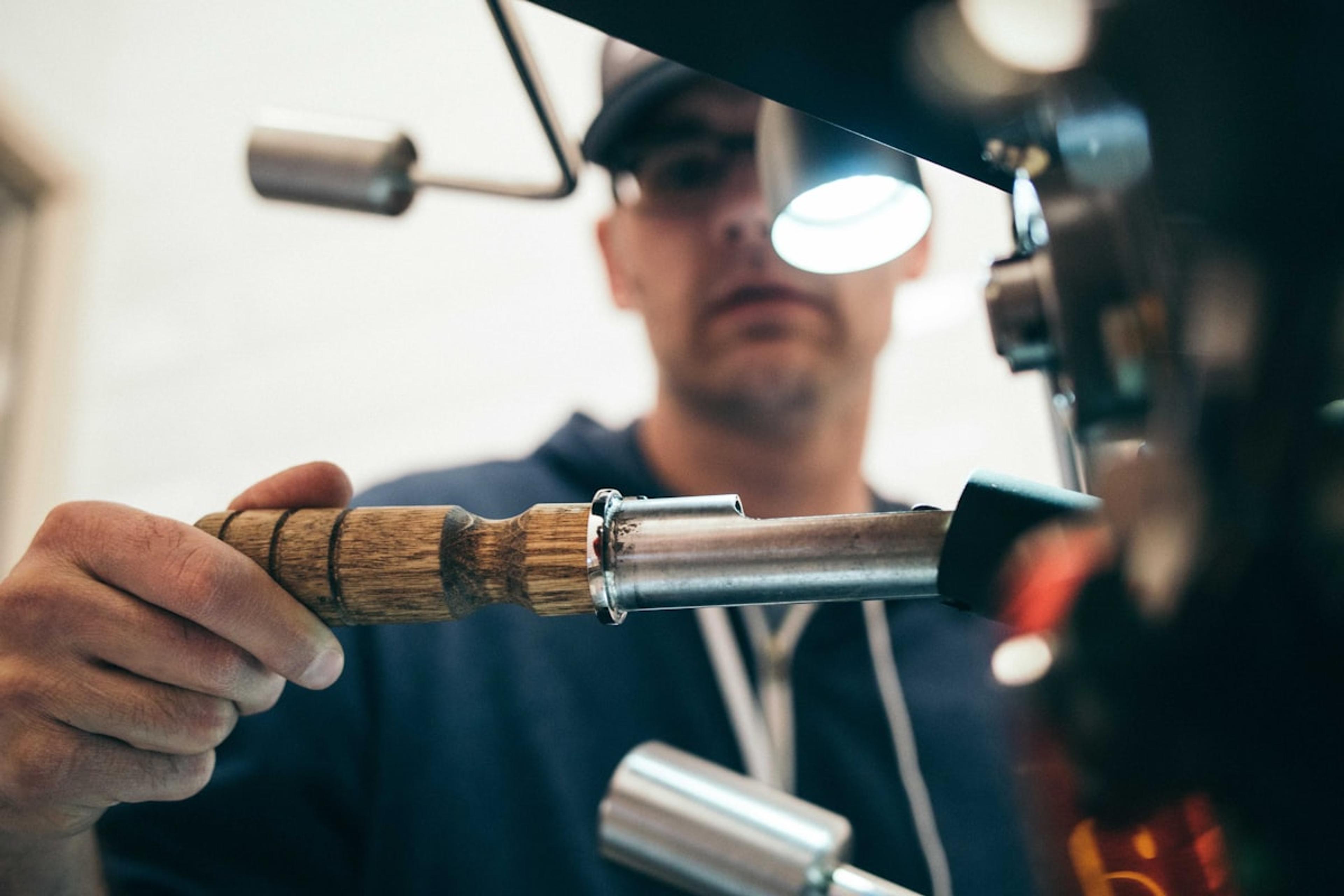
Resin art exploded in popularity during the 2020–2021 period and has since matured into a stable, high-revenue craft niche. Epoxy resin's ability to preserve objects, create glass-like surfaces, and mimic natural materials (ocean waves, marble, geodes) makes it uniquely photogenic and highly desirable.
Sub-niches and product types:
- Resin Jewelry — earrings, rings, and pendants with preserved flowers, glitter, or color pigments. Low material cost per piece, strong margins, highly shareable content.
- Resin Coasters — geode, ocean wave, and abstract pour designs. One of the most-searched resin products on Etsy. Perfect gifting product.
- Resin Trays & Serving Dishes — elevated home décor. Marble effect and ocean wave styles command $35–$80+ retail.
- Resin Art Panels — large-scale abstract ocean art. Premium price point ($100–$500+). Competes with gallery art in home décor.
- Resin Bookmarks — dried flower inclusions in rectangular resin pieces. Minimal material cost, large appeal to the book lovers niche.
- Resin Keychains — customizable with photos, initials, or inclusions. Strong gifting product.
- Resin Clocks — functional art pieces with geode or ocean wave designs. Premium price point ($60–$150+).
- River Tables (Epoxy + Wood) — high-end furniture pieces combining live-edge wood slabs with colored resin rivers. Very high ticket items ($500–$5,000+).
- Resin Phone Cases — preserved flower, glitter, or marble designs. Fashion-forward, popular on TikTok.
- Custom Pet Portraits in Resin — combining portrait illustration with resin casting. Extremely premium, deeply personal.
Profit profile: Material cost per coaster set: $3–$6. Retail: $25–$45. Resin art panels: material $20–$40, retail $150–$400.
🪢 Macramé & Fiber Arts — The Boho Renaissance
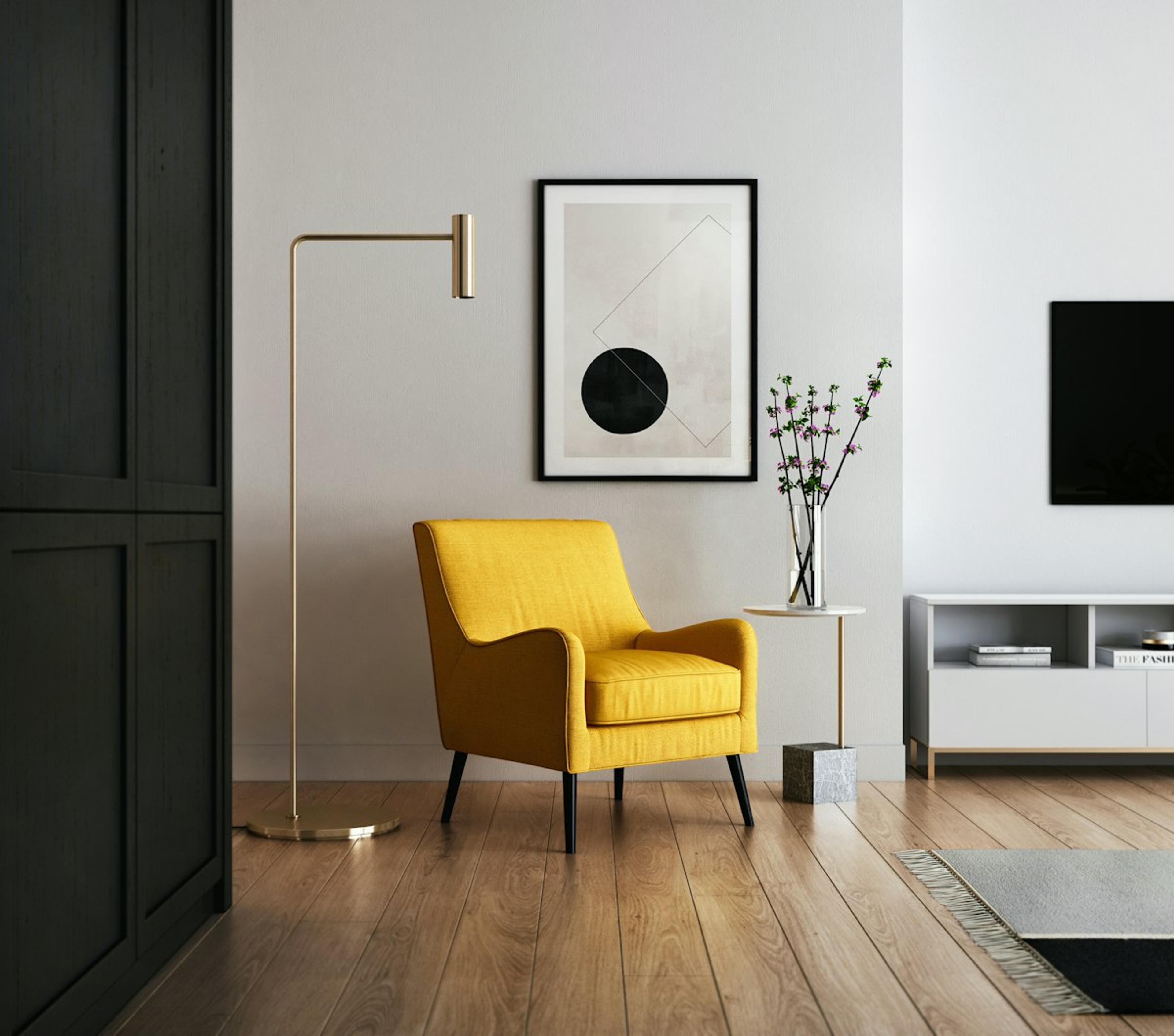
Macramé has experienced one of the most dramatic revivals in modern craft history. Pinterest searches for macramé are up over 400%, and the aesthetic has expanded far beyond its 1970s roots into a sophisticated, contemporary interior design element.
Sub-niches and product types:
- Wall Hangings — the signature macramé product. From small, minimalist pieces ($25–$45) to large statement pieces that fill an entire wall ($150–$500+).
- Plant Hangers — the most accessible macramé product for beginners. Simple knot patterns, strong demand from plant-parent culture. Bundles of 3–5 hangers retail for $30–$60.
- Macramé Shelf — combines knotted fiber with a wooden dowel and small shelving surface. Popular in bohemian, coastal, and modern farmhouse décor.
- Table Runners & Placemats — functional fiber art for the dining table. Seasonal designs perform well.
- Macramé Mirrors — woven fiber frames surrounding a circular or irregular mirror. Instagram-friendly, popular as a photo backdrop.
- Macramé Baskets & Bags — market tote bags, boho clutches, hanging storage baskets. Practical and aesthetic.
- Wedding & Event Décor — arches, ceremony backdrops, chair decorations. Very high-ticket orders for single events.
- Macramé Jewelry — woven cord bracelets and necklaces. Low cost, accessible, but competitive.
- Feather Art — dyed feather wall hangings and mobiles. Boho and nursery décor.
- Fiber Art Tapestries — woven textile wall art using looms. More time-intensive but commands gallery-level prices.
Profit profile: A medium wall hanging with $5–$8 in materials and 2–3 hours of labor retails for $55–$95. Wedding backdrop installations command $300–$800+ per commission.
🧶 Crochet & Knitting — Skills That Never Go Out of Style
Crochet and knitting sit at the intersection of fashion, home goods, and functional art — and in 2026, both crafts are experiencing a full-blown cultural revival driven by younger makers on TikTok (#CrochetTok has billions of views). Crochet patterns alone are among Etsy's top-selling digital download categories.
Sub-niches and product types:
Physical products:
- Amigurumi — small crocheted stuffed animals and characters. Extremely popular in kawaii, nursery, and gift niches. Recognizable characters and animals have passionate followings.
- Baby Items — blankets, booties, bonnets, loveys. High emotional value, premium pricing, repeat gifting product (baby showers, christenings).
- Clothing & Wearables — cardigans, crop tops, bralettes, bucket hats. Trending heavily in cottagecore, coastal grandmother, and Y2K aesthetics.
- Chunky Knit Blankets — arm-knit or large-needle blankets. Dramatic, cozy, and highly photogenic. Premium price point.
- Beanies & Hats — accessible beginner project with strong seasonal demand.
- Market Bags & Tote Bags — crocheted bags have exploded in the fashion-meets-sustainability trend.
- Coasters & Home Goods — quick to make, low material cost, strong gifting product.
Digital products (patterns):
- Selling PDF crochet and knitting patterns on Etsy is one of the most scalable handmade-adjacent businesses — make the pattern once, sell it infinitely.
- Top pattern sellers on Etsy earn $2,000–$10,000/month from digital downloads alone.
Profit profile: A crocheted baby blanket with $8–$12 in yarn retails for $55–$90. Amigurumi figures: $4–$6 materials, retail $25–$45. Crochet patterns: $0 marginal cost, retail $5–$15 per download.
🏺 Ceramics & Pottery — The Premium Handmade Craft
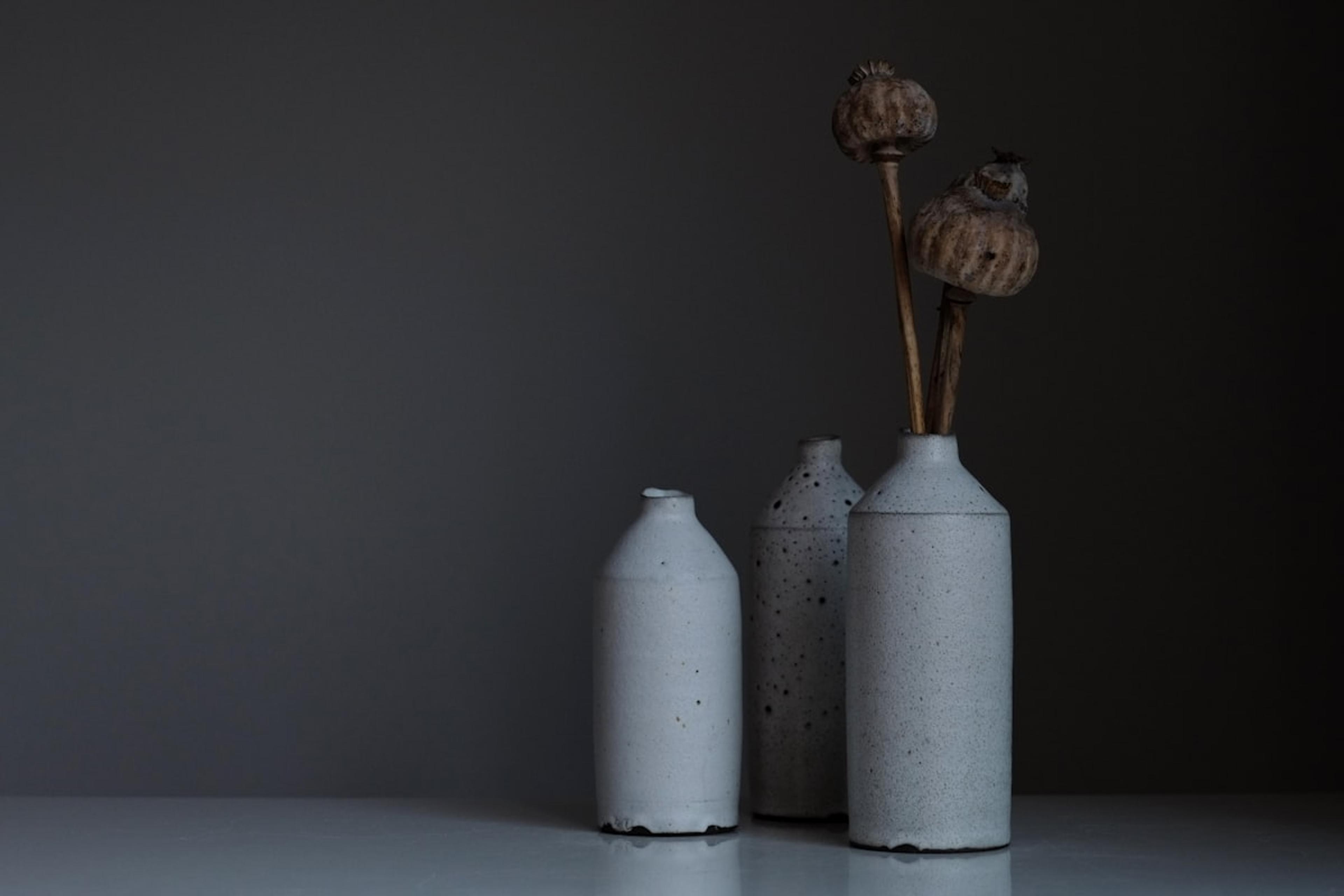
Ceramics occupies the premium tier of the handmade market. Handmade pottery carries an inherent prestige — the combination of earthy material, visible craftsmanship, and functional beauty commands prices that mass-produced ceramics can never justify. TikTok pottery content consistently goes viral, introducing new audiences to the craft constantly.
Sub-niches and product types:
- Wheel-Thrown Mugs — the flagship ceramic product. Handmade mugs with unique glazes retail for $35–$65 each, compared to $8 for a store-bought equivalent. Buyers know the difference and choose them deliberately.
- Bowls & Dinnerware — matching sets command significant price premiums over individual pieces. Perfect for wedding registry and housewarming gifts.
- Vases & Bud Vases — home décor staple. Minimalist Japanese-inspired, textured organic forms, and color-dipped styles are especially popular.
- Planters & Succulent Pots — the plant parent culture drives consistent demand. Drainage holes, sculptural forms, and earthy glazes sell exceptionally well.
- Jewelry Dishes & Trinket Trays — small, quick to produce, high margin. Excellent Etsy bestseller.
- Candle Holders & Oil Diffusers — functional home décor with premium appeal.
- Sculpture & Art Ceramics — wall-hung ceramic pieces, figurative sculpture. Gallery-level pricing for skilled artists.
- Spoon Rests, Soap Dishes & Kitchen Accessories — everyday functional pieces with strong gifting appeal.
- Hand-Built Tiles — decorative wall tiles, hand-stamped or relief patterns. Interior design niche.
Profit profile: A handmade mug with $3–$5 in clay and glaze retails for $38–$65. The main cost is kiln time, studio overhead, and labor. Experienced potters producing efficiently earn $25–$45 per hour of effective labor. Full dinnerware sets retail for $200–$450+.
🪵 Woodworking & Wood Crafts — Craftsmanship at Premium Prices
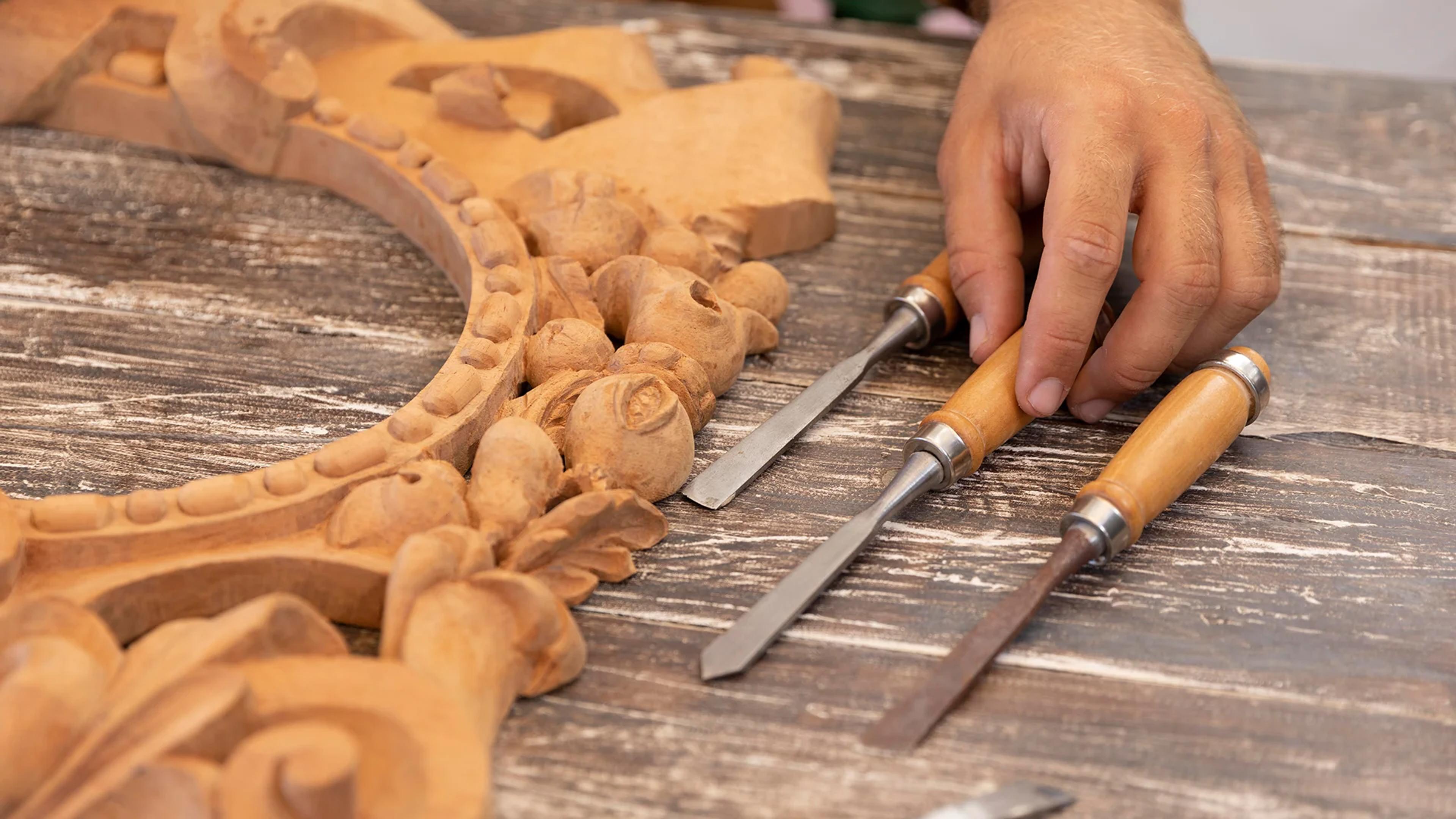
Woodworking combines raw material beauty with skilled craftsmanship to produce products that buyers genuinely treasure. The tactile quality, natural grain variation, and longevity of handmade wood products justify premium pricing that no factory alternative can match.
Sub-niches and product types:
- Cutting Boards & Charcuterie Boards — the bestselling woodworking product on Etsy. End-grain boards, personalized engraving, and custom shapes command $45–$150+.
- Personalized Signs & Plaques — home address signs, family name signs, engraved welcome signs. Router or laser engraving makes personalization efficient.
- Wooden Toys & Games — heirloom-quality toys (stacking rings, pull toys, puzzles) for the conscious parenting market. Premium pricing justified by safety, durability, and craftsmanship.
- Floating Shelves & Wall Décor — live-edge, rustic, or minimalist shelving. Strong in farmhouse, modern rustic, and boho home décor niches.
- Wooden Kitchenware — spoons, spatulas, salad servers, rolling pins. Natural and functional.
- Candle Holders & Trays — simple beginner projects, strong aesthetic appeal in farmhouse and Scandinavian décor niches.
- Engraved Gifts — any wooden item with laser or hand-engraved personalization. Highest margin product in woodworking: the same $10 board sells for $55 with a name on it.
- Wooden Jewelry — lightweight earrings and pendants cut from thin veneer. Laser cutter enables high-volume production.
- Live-Edge Furniture — coffee tables, dining tables, benches. Very high ticket ($300–$2,500+), but requires significant skill, tools, and studio space.
- Wooden Ornaments & Holiday Items — engraved Christmas ornaments, decorative seasonal pieces. Huge Q4 spike.
Profit profile: A personalized cutting board with $12–$18 in materials retails for $55–$90. A laser-engraved ornament with $1–$2 in materials retails for $12–$18. High-volume personalized gifts justify laser cutter investment quickly.
📄 Paper Crafts & Bookbinding
Paper crafts account for 21% of the total US craft market — a significant share often overlooked by sellers. From handmade greeting cards to hand-bound leather journals, paper-based crafts serve a passionate, gift-oriented buyer.
Sub-niches and product types:
- Greeting Cards — handmade, letterpress, or hand-lettered. Birthday, sympathy, celebration. High margin per unit, excellent bundling.
- Handmade Journals & Notebooks — Coptic stitch, long stitch, and Japanese binding techniques. Sell to writers, students, and gift buyers.
- Leather-Bound Books — premium bookbinding with leather covers. Gallery-quality product, $65–$200+ price point.
- Origami & Paper Sculpture — modular origami installations, paper flowers, sculptural pieces. Wedding décor demand is strong.
- Paper Flower Bouquets — crepe paper and tissue flowers. Alternative bridal bouquets, nursery décor, event centerpieces.
- Scrapbooking Supplies & Kits — die cuts, embellishments, and themed kits for the scrapbooking community.
- Handmade Gift Wrap & Tags — premium packaging for gifting occasions. Eco-conscious buyers prefer handmade/recycled wrapping.
🧵 Embroidery & Needlecraft — Old Craft, New Audience
Needlecraft holds 12% of the US arts and crafts market share — a substantial, stable category with a dedicated community and strong pattern-selling potential.
Sub-niches and product types:
- Embroidery Hoops — framed embroidery artwork in wooden hoops. Wildflowers, portraits, and botanical designs are top sellers. Small size makes them fast to produce.
- Cross-Stitch — traditional needlepoint with modern, often irreverent designs (funny quotes, pixel art characters). A very active community on Etsy.
- Punch Needle — a fast-growing embroidery technique producing textured, rug-like pieces. Very popular in home décor and cottagecore niches.
- Embroidered Apparel — hand-embroidered denim jackets, tote bags, and hats. Customization commands significant premiums.
- Needlepoint Kits & Patterns — sell the instructions and materials as a DIY kit. Strong gifting product for craft-curious buyers.
- Tapestry Weaving — loom-woven textile art. Overlaps with fiber arts/macramé in aesthetic.
👜 Leather Goods — Premium, Durable, Desirable
Leather goods occupy the luxury tier of handmade accessories. The combination of material quality, visible craftsmanship, and exceptional durability creates products that buyers emotionally invest in and keep for decades.
Sub-niches and product types:
- Wallets & Card Holders — slim, minimalist designs in full-grain leather. $35–$85 price range. Excellent gifting product for men.
- Leather Bags & Totes — high-ticket items requiring more skills and tools. Premium market, strong margins.
- Leather Belts — personalized with initials or tooled designs. Groomsmen and Father's Day gift staple.
- Leather Journals & Notebooks — rustic hand-stitched covers with refillable paper inserts. Strong in writer, traveler, and gifting niches.
- Leather Keychains & Fobs — low material cost, excellent margin, giftable. Personalized initials or shapes.
- Pet Collars & Leashes — handmade leather pet accessories command significant premiums over factory alternatives.
- Leather Earrings — laser-cut or hand-cut shapes. Low startup cost, fast production, fashion-forward.
- Tooled Leather Art — intricate carved and stamped leather panels. Gallery-worthy craft.
👗 Handmade Clothing & Textiles
Handmade clothing occupies a growing premium segment as fast fashion backlash and the slow fashion movement gain mainstream momentum.
Sub-niches and product types:
- Hand-Dyed Clothing — tie-dye, shibori, and natural plant dyeing. Each piece unique. Strong in boho, sustainable fashion, and festival niches.
- Sewing & Garment Making — dresses, skirts, loungewear. Slow fashion, made-to-order positioning. Premium pricing for ethical production.
- Upcycled Fashion — reworked vintage pieces. Denim reconstruction, patchwork, and embellishment. Strong sustainability narrative.
- Handmade Accessories — scrunchies, headbands, bow ties, suspenders.
- Quilts & Patchwork — heirloom quilts are among the highest-priced handmade textile products. Custom quilt commissions regularly reach $300–$800.
- Smocking & Heirloom Sewing — detailed hand-stitched children's garments. Highly niche, extremely premium.
🍰 Food, Baking & Confectionery
Handmade food products represent a distinct branch of the handmade economy with unique regulatory considerations — but also enormous demand, especially for gifting.
Sub-niches and product types:
- Artisan Baked Goods — decorated cookies (royal icing), custom cakes, sourdough bread. Farmers markets, local delivery, and Instagram-driven businesses.
- Handmade Chocolates & Truffles — premium confectionery for gifting. Valentine's Day, Christmas, and corporate gifts.
- Jams, Preserves & Condiments — cottage industry food production. Local selling with cottage food laws varies by state.
- Spice Blends & Rubs — custom seasoning blends for BBQ, cooking, and gifting. Very low production cost, strong margin.
- Hot Sauce & Ferments — artisan hot sauce has an enormously passionate buyer community.
- Caramel & Candy — hand-poured caramels, brittle, and hard candy. Strong gifting product.
- Herbal Teas & Loose Leaf Blends — wellness-driven buyers seek handcrafted tea blends. Amazon, Etsy, and local farmers markets are primary channels.
Important note: Food businesses require compliance with local cottage food laws, health department permits, and proper food safety labeling. Requirements vary by US state.
🖌️ Art, Illustration & Painting
Selling original art and prints bridges the handmade and art worlds. The market spans both one-of-a-kind originals and reproducible prints.
Sub-niches and product types:
- Original Paintings — acrylic, oil, watercolor, gouache. Sold as originals or as fine art prints.
- Watercolor Illustration — botanical, portrait, pet portrait, landscape. Highly popular on Etsy as both originals and digital download prints.
- Gouache & Mixed Media — trend-forward medium with a flat, graphic quality beloved on social media.
- Pet Portraits (Commission) — custom paintings of people's pets. One of the most emotionally resonant handmade commission categories. Strong repeat purchasing as people get new pets.
- Abstract Painting — large-scale canvas work for home décor. Higher price point, broader buyer appeal.
- Ink & Line Art — botanical ink drawings, architectural illustration, portrait work.
- Art Prints — reproductions of original work on fine art paper. Scales infinitely, unlike originals.
💻 Digital Crafts & Printables
Digital crafts bridge the handmade creative world with zero-inventory digital sales. You design once, sell infinitely.
Sub-niches and product types:
- SVG Cut Files — designs for Cricut and Silhouette users. One of Etsy's fastest-growing digital categories.
- Printable Wall Art — instant download prints for home décor. Low barrier to entry, high volume potential.
- Printable Planners & Journals — digital planner PDFs for GoodNotes and Notability. Strong in productivity and wellness niches.
- Crochet & Knitting Patterns — as noted above, pattern selling is the most scalable handmade-adjacent business.
- Digital Embroidery Files — machine embroidery designs for home embroidery machines. Growing niche.
- Clipart & Illustration Packs — for use in invitations, scrapbooking, and design projects.
- Activity Books & Workbooks — printable coloring pages, kids' activity sheets, educational worksheets.
🌿 Eco & Upcycled Crafts
The sustainability movement has created a distinct buyer persona — environmentally conscious consumers who specifically seek handmade products made from natural, recycled, or upcycled materials.
Sub-niches and product types:
- Upcycled Fashion & Accessories — reworked vintage clothing, upcycled denim, patchwork items.
- Natural Dye Products — plant-dyed textiles using indigo, turmeric, and foraged materials.
- Beeswax Wraps — reusable food wraps as plastic cling film alternatives.
- Zero-Waste Bathroom Products — shampoo bars, bamboo accessories, reusable cotton rounds.
- Recycled Paper Goods — journals and cards made from recycled or seeded paper.
- Foraged & Natural Materials — pine cone decorations, driftwood art, dried flower wreaths.
🎄 Seasonal & Holiday Crafts — Your Biggest Revenue Window
Holiday and seasonal crafts represent the highest-volume selling period for virtually every handmade niche. For many sellers, October–December generates 50–65% of their annual revenue.
Key seasonal moments:
- Valentine's Day (Jan–Feb) — jewelry, candles, soap sets, personalized gifts
- Mother's Day (March–May) — the single largest gifting holiday for handmade goods
- Father's Day (May–June) — woodworking, leather goods, food products
- Back to School (Aug–Sept) — stationery, bags, personalized items
- Halloween (Sept–Oct) — themed candles, décor, costumes
- Thanksgiving (Oct–Nov) — home décor, kitchen goods
- Christmas/Holiday Season (Nov–Dec) — everything. All niches spike.
- New Year (Dec–Jan) — planners, journals, self-care sets
4. Best Platforms to Sell Handmade Products {#platforms}
Etsy — The Undisputed Handmade Marketplace
90 million active buyers, a culture built for handmade discovery, and a buyer base that actively values the "made by a human" story. Etsy is the starting point for virtually every handmade seller.
- Listing fee: $0.20/listing
- Transaction fee: 6.5%
- Best for: All handmade categories, gifting products, personalized items
Amazon Handmade — Access to Amazon's Massive Traffic
Amazon Handmade is an invite-only marketplace within Amazon dedicated to artisan-made products. Prime shipping as a selling feature is a genuine competitive advantage.
- Referral fee: 15% (no monthly fee for approved Handmade sellers)
- Best for: High-volume sellers ready to compete at scale
Shopify — Build Your Own Brand
Your own independent store gives you full control — no marketplace fees eating into margins, full ownership of customer data, and freedom to build the brand experience you want.
- Cost: From $39/month
- Best for: Sellers with an existing audience or marketing capability
Local Channels
- Farmers Markets & Craft Fairs — direct customer connection, immediate cash, zero shipping. Testing product-market fit in person before scaling online.
- Local boutiques & gift shops — wholesale relationships at 40–50% of retail. Lower margin, zero marketing effort.
- Instagram & TikTok Shop — social commerce is growing fast; direct checkout from your feed.
Platform Comparison
Platform Buyer Traffic Fees Brand Control Best For Etsy Very High 6.5% + $0.20 Low All handmade, gifting Amazon Handmade Very High 15% Low Volume sellers Shopify Zero (self-driven) ~$39/mo Full Brand builders Farmers Market Local Booth fee Full Testing, community Instagram/TikTok Shop Medium-High 5–8% Medium Visual products
5. Pricing Your Handmade Work {#pricing}

Underpricing is the most common mistake in handmade business — and arguably the most damaging. Here is the only pricing formula you need:
The Handmade Pricing Formula
Materials + Labor + Overhead + Profit Margin = Wholesale Price Wholesale Price × 2 = Retail Price
Breaking it down:
- Materials — every physical input at actual cost (yarn, wax, clay, wire)
- Labor — your time, valued at a minimum of $15–$20/hour (more as you grow)
- Overhead — portion of studio costs, tools, packaging, platform fees, photography
- Profit margin — 20–30% on top of all costs, for reinvestment and growth
Example — Soy Candle:
- Materials (wax, wick, fragrance, jar): $4.50
- Labor (30 min at $18/hr): $9.00
- Overhead allocation: $2.00
- Subtotal: $15.50
- 25% profit margin: $3.88
- Wholesale price: ~$19.38
- Retail price: ~$38–$40
Pricing Psychology
- Never apologize for your prices. Buyers in the handmade market expect — and respect — premium pricing. A $9 candle signals mass production. A $32 candle signals craft.
- Price anchoring. Offer products at 3 price tiers: entry ($18–$25), mid ($35–$55), premium ($65–$100+). Most buyers land in the middle.
- Gifting pricing. Buyers mentally budget differently for gifts. A $55 gift feels reasonable; the same item for personal use feels expensive. Frame your products as gifts.
6. Marketing a Handmade Business {#marketing}
Photography — Your Most Important Marketing Tool
In handmade e-commerce, photos make the sale before a single word is read. Natural light, clean backgrounds, and lifestyle staging are the minimum standard. Invest in photography before you invest in advertising.
Etsy SEO — Get Found Without Spending a Dollar
- Use all 13 tags with a mix of broad and long-tail keywords
- Front-load your primary keyword in the listing title
- Describe the buyer's emotion, not just the product ("perfect for the dog mom in your life" vs. "dog print tote bag")
Instagram & Pinterest — Visual Platforms for Visual Products
Handmade products are among the most organically shareable content on visual platforms. Process videos (making-of content), flat lays, and lifestyle images drive both engagement and direct traffic to your store. Pinterest in particular drives long-tail evergreen traffic that compounds over months.
TikTok — The Handmade Discovery Engine
The "satisfying craft" content format on TikTok — pouring resin, cutting soap loaves, trimming candle wicks — regularly generates millions of views for small makers. Authentic process content is far more effective than polished advertising in this space.
Email List — Your Most Valuable Long-Term Asset
Customers who opt into your email list are 5–10x more likely to make a repeat purchase than cold buyers. A list of 500 engaged subscribers is worth more than 50,000 random social media followers.
7. Common Mistakes to Avoid {#mistakes}
Underpricing your labor. Your time has value. If you're making $4/hour effectively, you don't have a business — you have an expensive hobby.
Inconsistent photography. Different backgrounds, lighting, and styles across your shop signals amateurism. Consistency builds trust and brand recognition.
Ignoring the gifting angle. Over 60% of handmade purchases on Etsy are bought as gifts. If your listings don't speak to the gift buyer ("perfect for…", "great gift for…"), you're missing the majority of your potential customers.
Scaling too early. Building a successful handmade business takes time — typically 6–18 months of consistent listing, optimizing, and selling before meaningful income develops. Patience is a competitive advantage.
Not tracking costs. Materials creep, supply costs fluctuate, and platform fees compound. Track every cost meticulously to protect your margins.
One product, no range. A single product gives buyers no reason to return. A cohesive range — three or four complementary products — creates cross-selling opportunities and builds a real brand.
8. Frequently Asked Questions {#faq}
Which handmade niche is most profitable in 2026?
Jewelry, candles, and resin art consistently offer the best combination of high margin, scalability, and buyer demand. However, "most profitable" always depends on your skill set and the niche you can serve authentically. Passion and depth of knowledge in a niche consistently outperform chasing profitability metrics alone.
How much does it cost to start a handmade business?
Most handmade businesses can be started for $100–$500 in starter supplies and materials. Candles and soap require relatively simple equipment. Ceramics and woodworking require more significant tool investment ($500–$2,000+). Jewelry, resin, and crochet are among the lowest-barrier-to-entry crafts.
Do I need a business license to sell handmade goods?
In the US, requirements vary by state and product type. Most states require a basic business registration and a sales tax permit if you sell to residents in your state. Food products require additional permits and compliance with cottage food laws. Cosmetics (soap, lotion) must comply with FDA labeling requirements. Always verify local requirements before selling commercially.
Can I sell handmade products made from licensed characters or copyrighted materials?
This is one of the most misunderstood areas in handmade business. Creating and selling items using copyrighted characters, logos, or designs without a license is copyright infringement — even if you made the item by hand. "Inspired by" designs that don't reproduce the actual IP are generally acceptable, but the line is nuanced. When in doubt, create original designs.
How long does it take to make a full-time income from handmade crafts?
Most sellers who treat their handmade business with full-time dedication and consistent effort reach part-time income ($500–$1,500/month) within 6–12 months. Full-time income ($3,000+/month) typically takes 12–24 months of compound growth. The makers who reach it fastest combine niche focus, volume of listings, strong photography, and active marketing from day one.
Final Thoughts
The handmade economy is alive, growing, and deeply human. In a world where everything is increasingly automated, optimized, and algorithm-generated, the things made by hand carry a different kind of weight. They remind us that someone — a real person with a name and a story — made this with their hands, for us.
That connection is worth something. And in 2026, millions of buyers are proving it every day with their wallets.
Whether you're just starting out with a bag of polymer clay and a YouTube tutorial, or you're a decade-deep ceramicist ready to finally take your work to a global market — the platforms, the tools, and the buyers are waiting.
The only thing left is to make.
Sources & Further Reading:
- Customcy: Handmade and Craft Industry Statistics 2026
- IMARC Group: US Handicrafts Market 2026–2034
- Fortune Business Insights: Handicraft Market Report
- Printify: Top-Selling Niches on Etsy 2026
- Shopify: 30 Crafts to Make and Sell 2026
- Cactus Lady Creation: 10 Handmade Products Selling in 2026
- Hostinger: 20 Most Profitable Craft Ideas 2026


